
Silicone-mould polyurethane casting for 10–100 high-fidelity functional prototypes and low-volume production parts.
Vacuum casting reproduces the detail of a master pattern in production-grade polyurethane resins — ideal for functional testing, market validation and bridge production before committing to injection-mould tooling. Achieve fine textures, over-moulding and a wide Shore-hardness range.
| Typical quantity | 10 – 100 pcs / mould |
|---|---|
| Max part size | Up to 800 mm |
| Wall thickness | Min. 0.75 mm |
| Materials | PU resins (ABS-like, PC-like, rubber-like, glass-filled) |
| Hardness | Shore A20 – Shore D80 |
| Tolerance | ±0.15 mm or ±0.3% of dimension |
| Lead time | 7–12 business days |
A wide range of PU resins mimics production plastics and rubbers — colour, transparency and hardness matched to your spec.
Rigid, impact-resistant general-purpose resin for housings and enclosures.
Optically clear resin for lenses, light guides and transparent covers.
Flexible elastomers for seals, grips, gaskets and over-moulds.
Reinforced resins with higher stiffness and heat deflection for functional parts.
Parts are finished to look and feel like production mouldings — colour, texture and assembly included.
| Finish | Description | Effect | Colour / Texture |
|---|---|---|---|
| In-Mould Colour | Pigment added to resin before casting. | Solid colour throughout | Pantone / RAL match |
| Spray Painting | Colour-matched topcoat with primer. | Production-look surface | any colour |
| Textured Finish | Mould-side grain or bead-blast texture. | Matte / grained feel | VDI / MT texture |
| Gloss / Matte Clear | Clear topcoat for sheen control. | High-gloss to dead-matte | Adjustable sheen |
| Soft-Touch Coating | Rubberised tactile layer. | Premium hand feel | Black / grey |
| Silk-Screen / Pad Print | Logos, icons and legends. | Branding & labelling | Custom artwork |
| Inserts & Assembly | Threaded inserts, magnets, bonding. | Assembly-ready parts | Brass / steel inserts |
SLA/CNC master is produced from your CAD.
A two-part silicone mould is cast around the master.
PU resin is poured under vacuum to remove air.
Demould, trim, paint and quality-check.
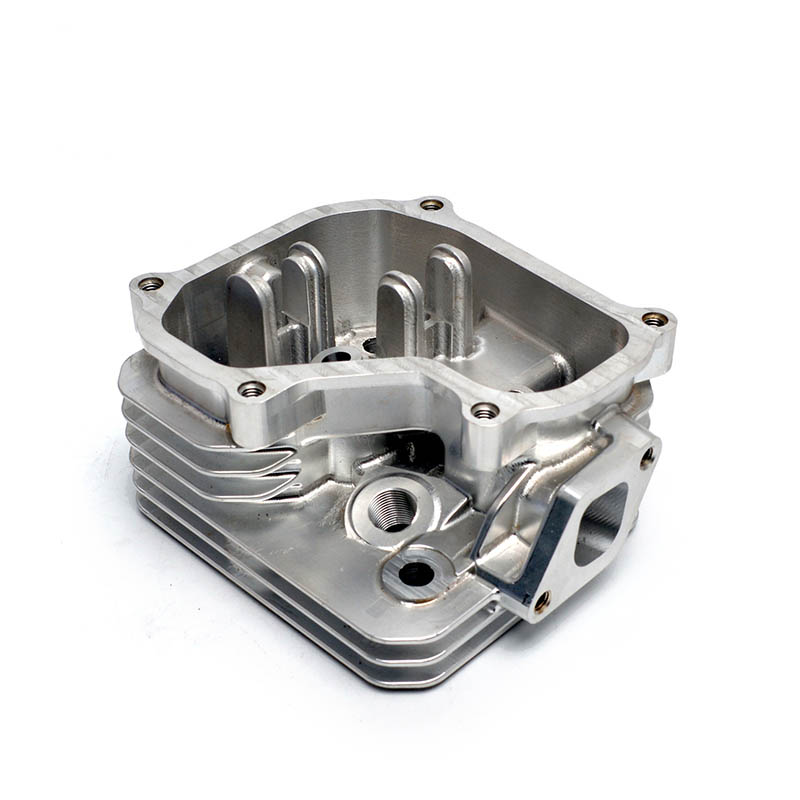
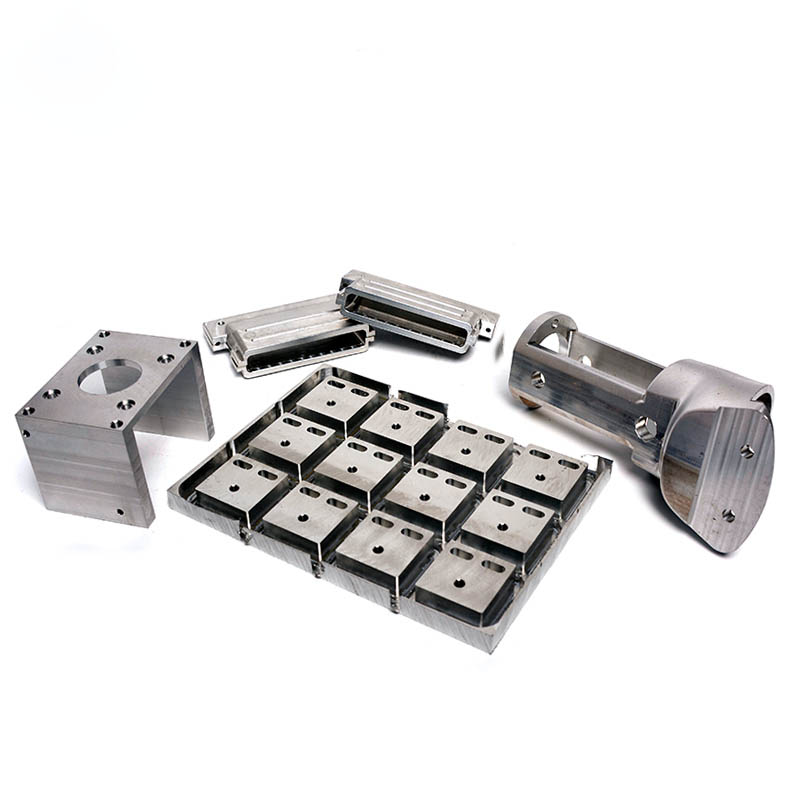
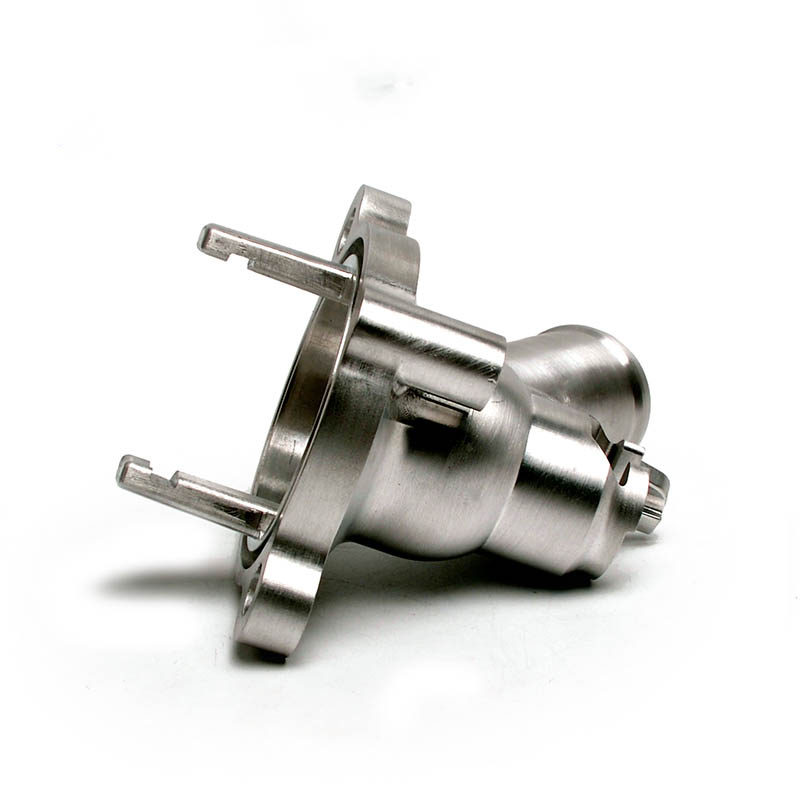
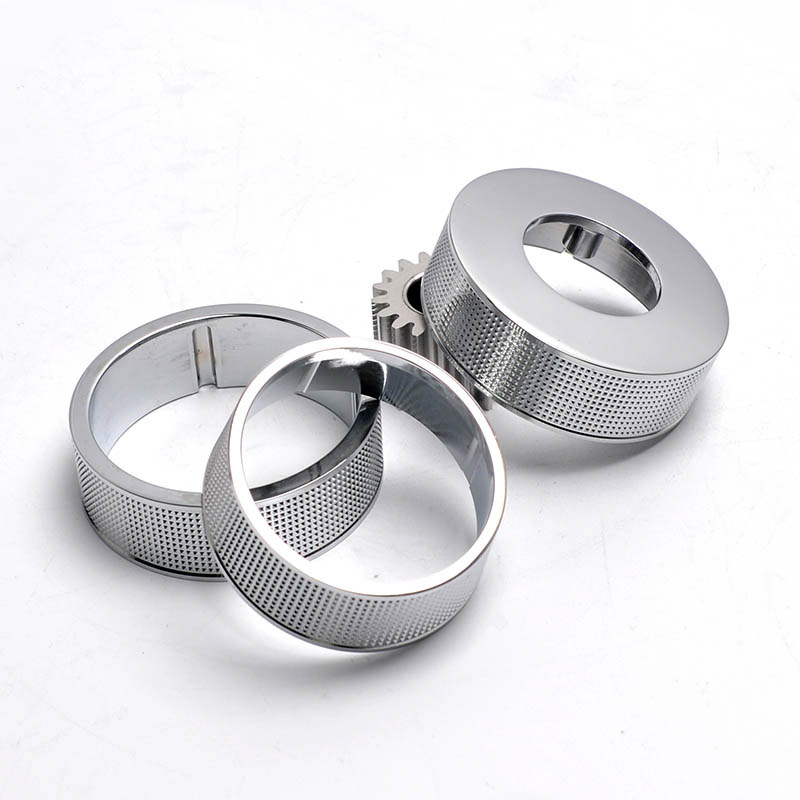
Low-volume production-quality parts for consumer, medical and industrial products.
Upload your CAD file and receive a detailed quote with manufacturing feedback within 12 hours.
Get Your Instant Quote